When To Skim Coat Drywall
When to skim coat drywall looks at when you should skim coat drywall, and when you should replace it. It makes sense when the surface is too rough to paint as is. It is a thin finish coat that helps smooth out minor damage, old texture, patched areas, and uneven joint work.
When to skim coat drywall looks at when you should skim coat drywall, and when you should replace it. It makes sense when the surface is too rough to paint as is. It is a thin finish coat that helps smooth out minor damage, old texture, patched areas, and uneven joint work. It is not the right fix for every wall, but in the right situation, it gives you a cleaner surface and a better paint result.
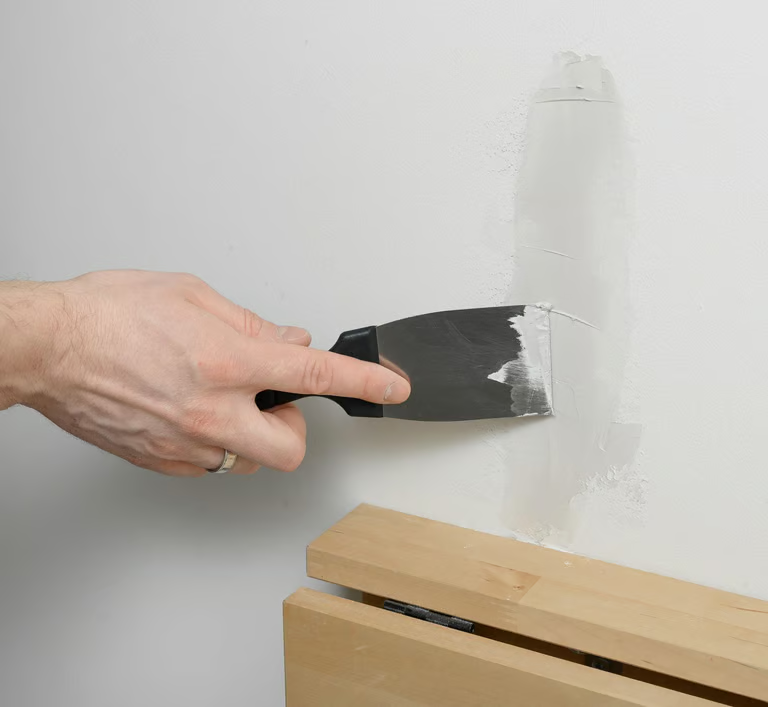
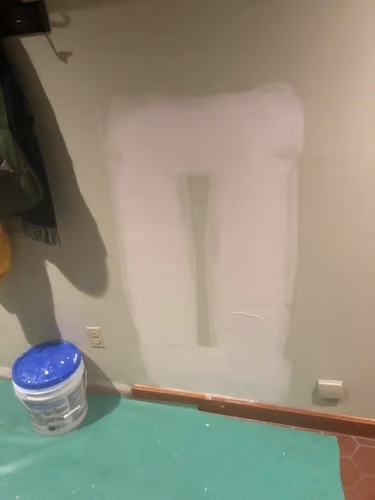
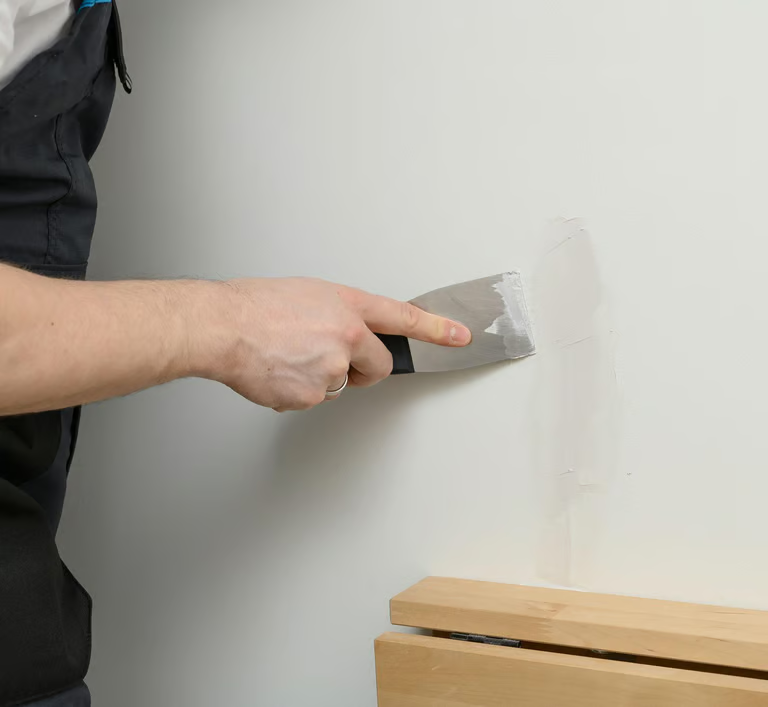
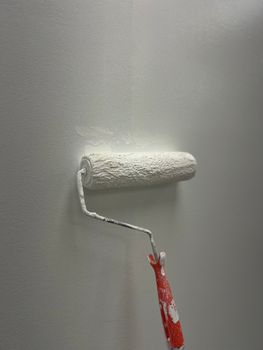
A skim coat is a thin layer of joint compound spread across the drywall surface. It helps fill shallow flaws, reduce visible repairs, and smooth out areas that would stand out under paint or light.This is different from a basic patch. A patch fixes one damaged spot. A skim coat helps blend and smooth a larger area, or even the whole room. Skim coating can smooth out walls with too many layers of paint, causing an orange peel texture from the paint roller. Skim coating is great after wallpaper removal and for light ceiling textures that can't be scraped off. Many homeowners struggle to skim coat drywall. The easiest method is to loosen up a bucket of joint compound with water and roll it on using a special skim coat drywall roller. Also known as a drywall texturing roller. Wipe the excess mud off with a 10" or 12" pan knife.
Skim coating is often the right step when:The drywall finish looks rough or uneven
The old wall texture needs to be covered
A wall has many patches
Joint lines show through the paint
Paint was scraped off with wallpaper
The surface has shallow dents, scratches, or torn paper
The wall was badly sanded or poorly finished before
Light from windows shows every seam and ripple
After Wallpaper Removal
One of the most common times to skim coat drywall is after wallpaper removal. The face paper often tears. Old glue can leave rough areas. Some walls end up gouged or fuzzy after scraping.Paint does not hide that damage. In many rooms, skim coating is the step that gets the wall back to a flat, paintable surface.
If you remove wall texture or scrape a ceiling smooth, the surface underneath often needs work. Old texture can leave ridges, knife marks, uneven patches, and exposed joint lines.A skim coat helps level those flaws out before primer and paint go on.